
A vendor-neutral, defense-in-depth shortlist that separates scanners from gateways from credential vaults and maps each to the real 2026 MCP threat model.
What are the best MCP security tools 2026 has to offer?
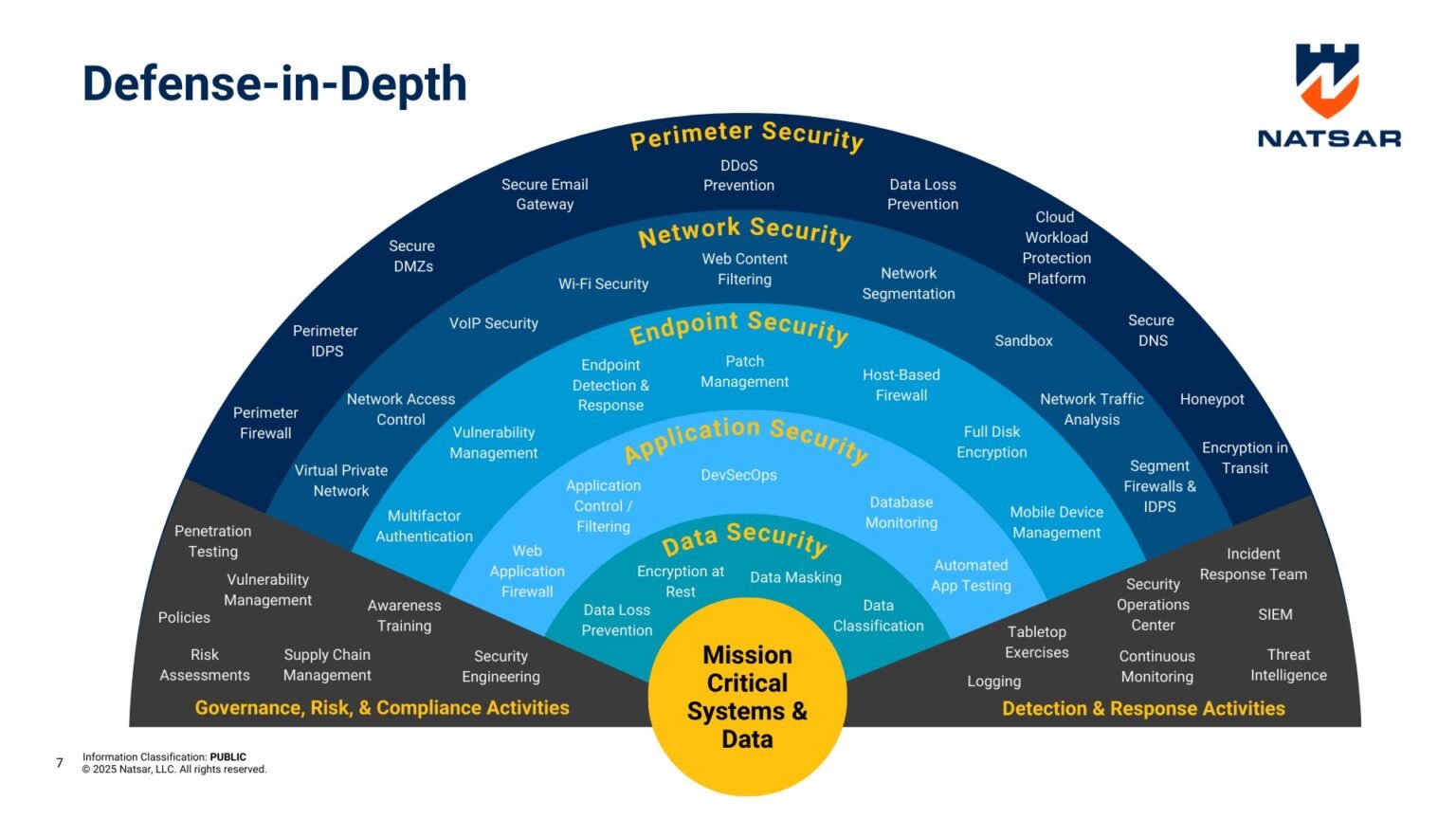
The best MCP security tools 2026 offers are not a single product, but three layers that do three different jobs: a scanner that finds malicious tool descriptions before they reach an agent, a gateway that governs traffic and egress at runtime, and a credential vault that keeps raw secrets out of agent context entirely. Most vendor-published lists blur these together because the publisher sells a gateway, so ‘security’ quietly becomes ‘buy our gateway.’ It is not.
Here is the uncomfortable truth that the sponsored roundups bury: a gateway sits in the request path and enforces identity, rate limits, and policy. That is genuinely useful. But a gateway does not read the hidden adversarial text smuggled inside a tool’s description field, it does not audit a server’s supply chain before you install it, and it does nothing about the April 2026 stdio remote-code-execution flaw that lived in the MCP reference SDKs themselves. Those are scanner and posture problems. Conflating the three layers is how teams end up paying for one control and believing they bought three.
This list is organized by job to be done, open-source-first, with a named enterprise pick alongside each free option. Every threat we map to comes from the real 2026 record: tool poisoning, tool shadowing, toxic flows, and the systemic stdio RCE disclosed by OX Security. Where pricing is not public, we say so rather than guess. The MCP ecosystem crossed roughly 14,000 servers by mid-2026 (per Firecrawl’s developer roundup), and the attack surface scaled right along with the install count.
The 2026 MCP threat model: what you are actually defending against
14,000+
MCP servers in the ecosystem by mid-2026
Per Firecrawl’s developer roundup; the attack surface scaled with the install count
150M+
Downloads in the stdio RCE supply chain
OX Security advisory, April 2026
Apache-2.0
License for both mcp-scan and Snyk Agent Scan
The open-source-first scanner lane costs nothing to start
SOC 2 Type II
MintMCP’s attestation as an MCP platform
The line a compliance review will actually ask about
You are defending against four named threats, and no single tool covers all four. Before ranking any product, anchor on the threat model, because that is what tells you which layer you are missing. The 2026 MCP threat list is concrete and well-documented.
Tool poisoning is a malicious MCP server embedding hidden instructions inside its tool descriptions to hijack the agent. The text is invisible to the human but read by the model. Invariant Labs first demonstrated it, and it remains the canonical MCP attack. Tool shadowing (cross-server tool reference) is a malicious server interfering with or impersonating a legitimate tool from another server, so the agent calls the attacker’s version. Toxic flows, formalized by Invariant Labs and Simon Willison, are the lethal trifecta: an agent that simultaneously has access to private data, exposure to untrusted content, and the ability to exfiltrate externally. Most real agents have all three.
Then there is the one that broke the ecosystem open. In April 2026, OX Security disclosed a systemic command-injection / RCE in the MCP SDK’s stdio transport: applications pass user-controlled values straight into StdioServerParameters without sanitization or an allowlist, and the command executes even when the target process fails to start. The advisory carried multiple CVEs across downstream products, including CVE-2026-30623 (LiteLLM), CVE-2026-40933 (Flowise), and CVE-2026-30615 (Windsurf), rippling through a supply chain with 150M+ downloads and thousands of publicly reachable servers. Anthropic characterized the underlying behavior as expected, so the reference implementation was not redesigned; vendors patched their own surfaces. That makes the stdio RCE a posture problem you own, not a bug a vendor will fix for you.
If a vendor’s ‘MCP security’ page leads with their own gateway and never mentions scanning tool descriptions or patching the stdio transport, you are reading a sales page, not a threat model. A gateway is layer two of three. Buying it alone leaves poisoning and supply-chain RCE uncovered.
| Threat | What it does | Layer that addresses it | Named tool |
|---|---|---|---|
| Tool poisoning | Hidden instructions in a tool description hijack the agent | Scanner (static + description fetch) | mcp-scan, Snyk Agent Scan |
| Tool shadowing | Malicious server impersonates a trusted tool from another server | Scanner + gateway pinning | Snyk Agent Scan (E002), gateway allowlist |
| Toxic flows / lethal trifecta | Private data + untrusted content + exfiltration path combine | Scanner (flow analysis) + gateway egress control | Snyk Agent Scan (W015-W020), gateway |
| stdio RCE (CVE-2026-30623 et al.) | Unsanitized command field in StdioServerParameters runs arbitrary shell | Posture: SDK patching + command allowlist | SDK pinning, gateway command policy |
| Credential theft via injection | Compromised agent reads raw API keys from context | Credential vault (scoped tokens) | Peta, Lunar MCPX isolation |
Layer 1 – Best MCP security scanner: mcp-scan vs Snyk Agent Scan
The best MCP security scanner for most teams is whichever open-source tool you run first; the strongest combination is mcp-scan for description-level poisoning plus Snyk Agent Scan for whole-machine supply-chain inventory. Both are free, both are Apache-2.0, and they overlap usefully rather than redundantly. This is the layer the sponsored gateway lists skip, and it is the cheapest, highest-leverage control you can deploy today.
mcp-scan (Invariant Labs) is the original. It reads your MCP configuration files, connects to installed servers, and inspects tool descriptions for prompt injection and tool poisoning, plus it detects rug pulls (a tool description silently changing after you approved it) and cross-origin / shadowing escalations. It runs with a single command and also ships a proxy mode that sits in front of live MCP traffic to constrain and log calls with Invariant Guardrails, which nudges it toward runtime enforcement, not just static scanning. For the mcp-scan vs Snyk Agent Scan question, mcp-scan is the sharper instrument for description-level poisoning and rug pulls.
Snyk Agent Scan (snyk/agent-scan) is the broader inventory tool. It auto-discovers agent components across Claude Desktop, Cursor, Windsurf, Gemini CLI, VS Code and more, then scans MCP servers and agent skills for 15+ issue codes: prompt injection in tool descriptions (E001), cross-server tool reference / shadowing (E002), the full toxic-flow series (W015-W020 covering untrusted content, sensitive-data exposure, and destructive capabilities), plus malware payloads and hardcoded secrets in skills. A background mode reports to a Snyk Evo instance for fleet-wide monitoring. It is the better fit when you need a company-wide inventory of every agent component, not just one machine’s tool descriptions.
Pros
Cons
# Layer 1, in two commands, both Apache-2.0 and free.

# 1) mcp-scan: inspect installed MCP servers for tool poisoning,
#    prompt injection, rug pulls, and cross-origin/shadowing.
uvx mcp-scan@latest               # full scan of discovered configs
uvx mcp-scan@latest inspect       # dump tool descriptions for manual review

# Optional runtime guardrails: proxy live MCP traffic, constrain + log calls.
uvx mcp-scan@latest proxy

# 2) Snyk Agent Scan: machine-wide inventory of agents, MCP servers, and
#    skills; flags tool poisoning (E001), shadowing (E002), toxic flows
#    (W015-W020), malware payloads, and hardcoded secrets.
uvx snyk-agent-scan@latest

# SAFETY: scanning a stdio config can START the server (and per the April
# 2026 RCE, that can run shell). Run scanners in a sandbox; only use
# --dangerously-run-mcp-servers on configs you already trust.
Layer 2 – Best MCP gateway for governance and egress
The best MCP gateway is the one that enforces identity, egress, and tool allowlists at runtime, and the open-source-first pick is Lunar MCPX, with MintMCP as the SOC 2 enterprise option. A gateway is layer two: it sits in the request path and governs how agents call tools, which is exactly the control that breaks a toxic flow’s exfiltration leg. It is necessary. It is just not sufficient on its own.
Lunar MCPX (lunar.dev) is a production-grade gateway that centralizes policy enforcement, access control, and observability. It offers granular ACLs at the global, service, and tool level, and goes beyond allow/deny by letting you rewrite tool descriptions or lock parameters, plus identity-aligned attribution and credential isolation so an agent’s calls are attributable and its secrets are not pooled. That parameter-locking and description-rewriting is directly relevant to the stdio RCE: a gateway that locks the command field is one more place to stop unsanitized input from reaching the transport.
MintMCP is the enterprise governance pick and, notably, positions as the first SOC 2 Type II-certified MCP platform. It turns local MCP servers into managed enterprise services with one-click deployment, OAuth protection, role-based endpoints (one endpoint per role, exposing only the minimum tools), and comprehensive audit trails. For MintMCP vs MCP Manager, both target enterprise governance; MintMCP leads on the SOC 2 Type II attestation, which is the line item your compliance team will actually ask about. Pricing for both is not published publicly; treat it as sales-qualified.
A gateway governs runtime: identity, rate limits, tool allowlists, egress, and audit. It breaks the exfiltration leg of a toxic flow and gives you attribution. It does NOT read poisoned tool descriptions at install time, audit a server’s supply chain, or patch the stdio SDK. Pair it with a scanner and a vault, every time.
Layer 3 – Best MCP credential vault for agents
The best MCP credential vault for agents is one that issues scoped, time-limited tokens so the agent never sees a raw API key, and Peta is the clearest 2026 example of the pattern. This is the layer that turns a successful prompt injection from a breach into a non-event. If the agent only ever holds a token that is scoped to one operation and expires in minutes, stealing it buys an attacker almost nothing.
Peta positions as ‘1Password for AI agents’: a server-side encrypted vault built on a three-part architecture, Peta Core (the vault), Peta Console (policy), and Peta Desk (approvals). Agents receive only scoped, time-limited tokens for each operation, never the underlying secret. That is the whole point of the credential-vault layer, and it is the part the gateway-centric lists tend to mention in passing and then forget. Lunar MCPX’s credential isolation overlaps here at the gateway tier, keeping per-agent credentials separated and attributable, but a dedicated vault gives you finer-grained, time-boxed token issuance.
For teams already standardized on a secrets manager, the open-source-adjacent route is to keep secrets in HashiCorp Vault, 1Password, or Infisical and front them with short-lived dynamic credentials, exposing only a token-broker to the agent rather than a long-lived key. The principle is identical regardless of vendor: raw, long-lived API keys must never enter agent context. The moment they do, every injection and every toxic flow becomes a credential-theft incident. Public pricing for Peta is not published; evaluate it sales-direct.
“A vault that issues scoped, expiring tokens turns a successful prompt injection from a credential breach into a token that is already dead.”
Alatirok analysis, MCP defense-in-depth
How to secure an MCP server: the picks-by-job table
How to secure an MCP server in 2026 comes down to running all three layers, not picking one: scan it, govern it, and vault its credentials. This is the vendor-neutral table the sponsored lists will not give you, because it does not steer you to a single gateway. Read it as a checklist: one row per layer, an open-source-first pick and an enterprise pick in each, and the exact threats each addresses.
The order matters. Scan first, because a poisoned server should never reach an agent regardless of how good your gateway is. Govern second, because once a clean server is live you need identity, egress control, and audit on its traffic. Vault third (or in parallel), because no matter how clean and well-governed the server is, the agent should still never hold a raw key. Skip any one row and you have left a named 2026 threat uncovered.
If you do exactly one thing this week, run mcp-scan and Snyk Agent Scan (both Apache-2.0) across every MCP config on your machines and in CI, and pin your MCP SDK versions. That is two free commands plus a dependency bump, and it directly addresses tool poisoning, shadowing, toxic flows, and the April 2026 stdio RCE before you spend a cent on a gateway.
| Layer / job | Open-source-first pick | Enterprise pick | Threats addressed | Licensing | SOC 2 status |
|---|---|---|---|---|---|
| Scanner – find poisoning before install | mcp-scan (Invariant Labs) | Snyk Agent Scan (background/Evo mode) | Tool poisoning, prompt injection, rug pulls, shadowing, toxic flows | Apache-2.0 (both) | N/A (OSS tools) |
| Gateway – govern runtime + egress | Lunar MCPX (lunar.dev) | MintMCP | Shadowing (pinning), toxic-flow egress leg, command-field locking vs stdio RCE | OSS core + commercial (Lunar); commercial (MintMCP) | MintMCP: SOC 2 Type II |
| Credential vault – scoped tokens | Vault/1Password/Infisical + token broker | Peta | Credential theft via injection, raw-key exposure in context | OSS managers + commercial (Peta) | Per vendor; verify |
| Posture – SDK patching | Pin + patch MCP SDKs, command allowlist | Same, enforced via gateway policy | stdio RCE (CVE-2026-30623, -40933, -30615 et al.) | N/A (practice) | N/A |
mcp-scan vs Snyk agent scan and MintMCP vs MCP Manager: which wins?
For mcp-scan vs Snyk Agent Scan, run both: mcp-scan wins on description-level poisoning, rug pulls, and runtime proxy guardrails, while Snyk Agent Scan wins on machine-wide inventory of MCP servers plus agent skills and fleet reporting. They are complements, not substitutes. mcp-scan is the surgical tool for the tool-description layer and offers a proxy mode that edges into runtime enforcement. Snyk Agent Scan is the inventory and supply-chain tool, scanning skills and secrets as well as servers across every major host, with a background mode for company-wide visibility.
For MintMCP vs MCP Manager, both are enterprise-governance gateways and both will give you OAuth, RBAC, and audit logs. MintMCP’s differentiator is being the first SOC 2 Type II-certified MCP platform with role-based endpoints that expose only the minimum tools per role, which is the kind of evidence a security review wants. MCP Manager is a credible governance alternative in the same tier; if your blocker is a compliance attestation, MintMCP’s SOC 2 Type II is the deciding line. Crucially, neither gateway choice removes your need for a scanner and a vault.
The meta-point: most published ‘best MCP security tools 2026’ lists are authored by a gateway vendor and rank that vendor first. TrueFoundry, MCP Manager, MintMCP, and Lunar all publish strong, useful content, and they are also all selling you their gateway. Read the byline, then read the ranking. A genuinely neutral recommendation tells you to buy three different things from potentially three different vendors, because that is what defense in depth actually costs.
No gateway, scanner, or vault patches the stdio RCE for you. Anthropic deemed the StdioServerParameters behavior expected, so the fix is yours: pin and update MCP SDKs, enforce a command allowlist, anVerdict: build the layered stack, start open source
Scan it, govern it, vault it, patch it. In that order.
The best MCP security tools 2026 strategy is a three-layer stack, deployed in order, started with free open-source tools and upgraded to attested commercial controls only where you need an SLA or a SOC 2 line. Scan with mcp-scan and Snyk Agent Scan. Govern with Lunar MCPX or MintMCP. Vault with Peta or a token broker over your existing secrets manager. And treat the stdio RCE as a standing posture obligation that no product discharges for you.
If you remember one thing, remember that a gateway is one layer of three. The sponsored lists conflate gateway with security because the gateway is what they sell. The threats that actually dominate the 2026 record, tool poisoning, shadowing, toxic flows, and supply-chain RCE, are scanner and posture problems first. Start free, prove the controls work, then pay for the attestations and SLAs your compliance team requires.
Builder’s take
I run agents in production at Cyntr and Loomfeed, and the single most expensive mistake I see teams make is buying a gateway and calling it security. A gateway governs traffic. It does not read the malicious instructions hidden inside a tool description, and it does not stop a poisoned server from being installed in the first place. Defense in depth here is not a slogan, it is three different jobs that three different categories of tool do.
- Treat ‘scanner + gateway + credential vault’ as three required layers, not three competing products. A gateway that claims to do all three is doing two of them badly.
- Start open source. mcp-scan and Snyk Agent Scan are Apache-2.0 and will find tool poisoning, shadowing, and toxic flows in an afternoon, before you spend a cent on a commercial control plane.
- The April 2026 stdio RCE is a posture problem, not a vendor problem. No gateway fixes an unsanitized command field. Pin and patch your SDKs, allowlist commands, and never let user input reach StdioServerParameters.
- Get raw API keys out of agent context entirely. A vault that issues scoped, time-limited tokens means a successful prompt injection steals a token that expires, not your production secrets.
- Sponsored ‘best MCP security tools’ lists almost always rank the publisher’s own gateway #1. Read the byline before you read the ranking.
Frequently asked questions
The best MCP security tools 2026 offers fall into three layers: a scanner (mcp-scan and Snyk Agent Scan, both Apache-2.0) that finds tool poisoning and toxic flows before install; a gateway (Lunar MCPX open-source-first, MintMCP for SOC 2 Type II) that governs runtime identity and egress; and a credential vault (Peta, or a token broker over Vault/1Password/Infisical) that issues scoped, time-limited tokens so agents never hold raw keys. You need all three, plus SDK patching for the stdio RCE; no single product covers everything.
Both are free, open-source (Apache-2.0) MCP security scanners, and they complement each other. mcp-scan (Invariant Labs) specializes in tool-description poisoning, prompt injection, rug pulls, and cross-origin shadowing, and offers a proxy mode that constrains and logs live MCP traffic. Snyk Agent Scan auto-discovers agents, MCP servers, and agent skills across every major host and reports 15+ issue codes including tool poisoning (E001), shadowing (E002), and the toxic-flow series (W015-W020), with a background mode for fleet-wide monitoring. Run both: mcp-scan for description-level depth, Snyk Agent Scan for machine-wide inventory.
Secure an MCP server in three steps. First, scan it with mcp-scan and Snyk Agent Scan to catch tool poisoning, shadowing, and toxic flows before it reaches an agent, and run scanners in a sandbox because scanning a stdio config can execute the server’s command. Second, put it behind a governance gateway (Lunar MCPX or MintMCP) for identity, tool allowlists, egress control, and audit. Third, ensure the agent receives only scoped, time-limited tokens from a credential vault, never raw API keys. Separately, pin and patch your MCP SDK versions to address the April 2026 stdio RCE.
MCP tool poisoning is an attack where a malicious MCP server embeds hidden adversarial instructions inside its tool descriptions. The text is invisible to the human reviewer but read and acted on by the model, hijacking the agent’s behavior. It is detected by scanners that connect to MCP servers and inspect tool descriptions: mcp-scan flags poisoning, prompt injection, and rug pulls (descriptions that change after approval), and Snyk Agent Scan flags it as issue code E001. A runtime gateway does not see poisoning, so detection happens at the scanner layer.
In April 2026, OX Security disclosed a systemic command-injection / remote-code-execution flaw in the MCP SDK’s stdio transport: applications pass user-controlled values directly into StdioServerParameters without sanitization or an allowlist, and the command executes even when the target process fails to start. It carried multiple CVEs across downstream products (including CVE-2026-30623 in LiteLLM, CVE-2026-40933 in Flowise, and CVE-2026-30615 in Windsurf) and affected a supply chain with 150M+ downloads. Anthropic deemed the underlying behavior expected, so the fix is on you: pin and patch SDKs, enforce a command allowlist, and never let user input reach the command field.
A gateway alone is not enough. A gateway governs runtime traffic (identity, rate limits, tool allowlists, egress, audit) and breaks the exfiltration leg of a toxic flow, but it does not read poisoned tool descriptions at install time, audit a server’s supply chain, or patch the stdio SDK. Those require a scanner (mcp-scan, Snyk Agent Scan) and SDK posture work. And a gateway does not keep raw API keys out of agent context; a credential vault that issues scoped, expiring tokens does. Vendor-published lists conflate gateway with security because gateways are what they sell. Real defense in depth needs all three layers.
Primary sources
- Snyk Agent Scan (open-source AI agent / MCP scanner, Apache-2.0) — Snyk / GitHub
- Agent Scan issue codes (tool poisoning, shadowing, toxic flows) — Snyk / GitHub
- Introducing MCP-Scan: protecting MCP with Invariant — Invariant Labs
- MCP-Scan source and proxy/guardrails (constrain, log, scan) — Invariant Labs / GitHub
- MCP Supply Chain Advisory: RCE Vulnerabilities Across the AI Ecosystem — OX Security
- Anthropic MCP Design Vulnerability Enables RCE (CVE roundup) — The Hacker News
- Security Update: CVE-2026-30623 command injection via MCP SDK — LiteLLM
- Top MCP Security Tools in 2026: Gateways, Scanners & More — Practical DevSecOps
- Best MCP Gateways for SOC 2 Compliant Organizations 2026 — MintMCP
- 10 Best MCP Servers for Developers in 2026 (ecosystem growth) — Firecrawl
Last updated: June 3, 2026. Related: Identity Provenance.