Agent Infrastructure
Runtimes, orchestration, model providers, agent execution layers



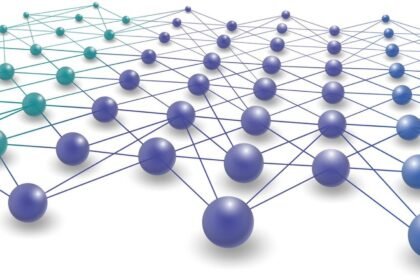
What Is AGNTCY? Cisco’s Internet of Agents Explained
A plain-English guide to the AGNTCY internet of agents: the five components, how it complements A2A and MCP, and who…
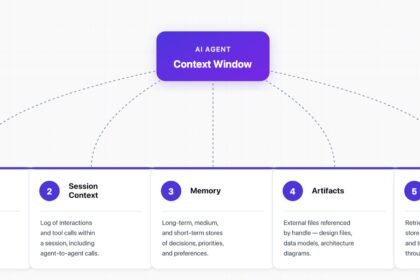
Context Engineering for AI Agents: The 2026 Playbook
Context engineering is the 2026 discipline that replaced prompt engineering for AI agents. Here are the techniques, APIs, and stack…
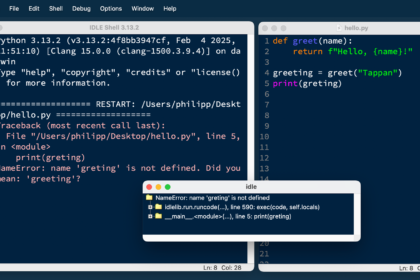
Pydantic AI Review: Is the Type-Safe Framework Ready?
Our hands-on Pydantic AI review tests the type-safe agent framework at v1 in 2026: structured outputs, Logfire, durable execution, and…
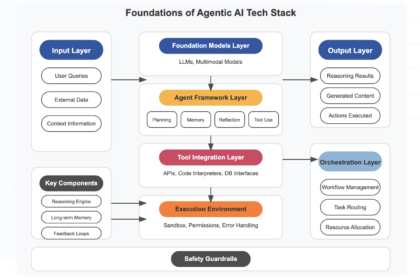
AI Agent Infrastructure in 2026: The Complete Guide
The complete 2026 guide to AI agent infrastructure: protocols (MCP, A2A), frameworks, RAG and memory, evaluation, and the economics and…
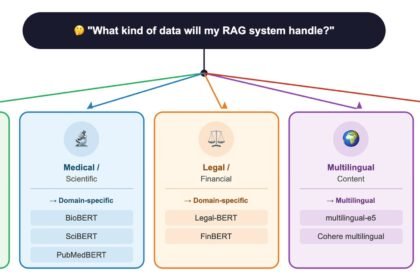
Embedding models comparison 2026: OpenAI, Voyage, Cohere, BGE
Embedding models comparison 2026: OpenAI, Voyage, Cohere, BGE, and Jina on quality, price, dimensions, multilingual support, and ops tradeoffs.
AI agent glossary 2026 — every term builders hear
AI agent glossary 2026 defines the core terms builders see across tools, training, evals, retrieval, and serving in one reference…
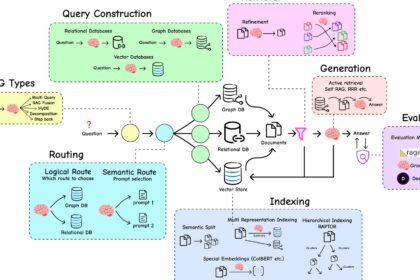
RAG tutorial Python — build a production RAG pipeline in 2026
RAG tutorial Python for 2026: build a production pipeline with OpenAI embeddings, Qdrant storage, chunking, retrieval, and grounded answers.
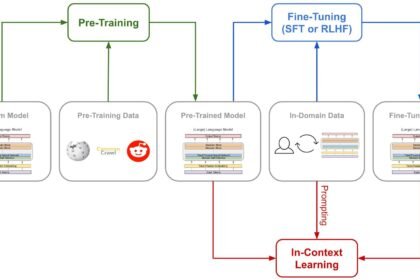
Fine-tune Llama with LoRA in 2026 — a working Python tutorial
Learn to fine-tune Llama with LoRA in Python using PEFT, TRL, and 4-bit loading, with working code, memory budgets, and…
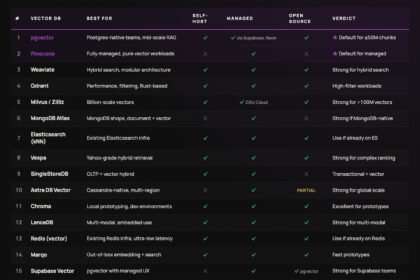
Vector database comparison 2026 — Pinecone, Weaviate, Qdrant, Chroma, pgvector
Vector database comparison 2026: Pinecone, Weaviate, Qdrant, Chroma, and pgvector on price, latency, scale, and fit for agent stacks.