
AI agent infrastructure is the stack beneath every production agent — protocols, frameworks, memory, evaluation, and the hardware underneath. This hub maps all of it, with the deep-dive guides for each layer.
What is AI agent infrastructure?
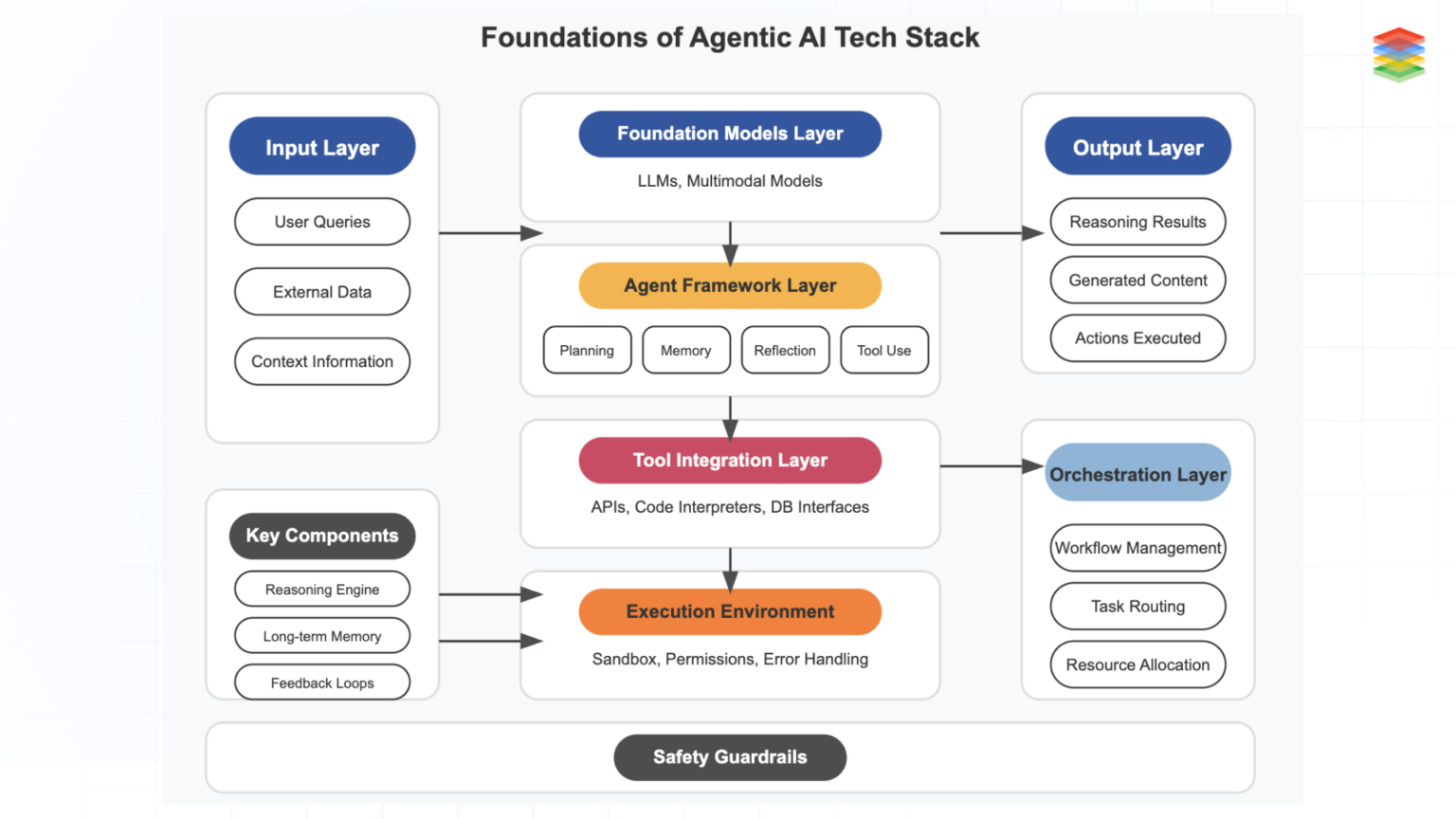
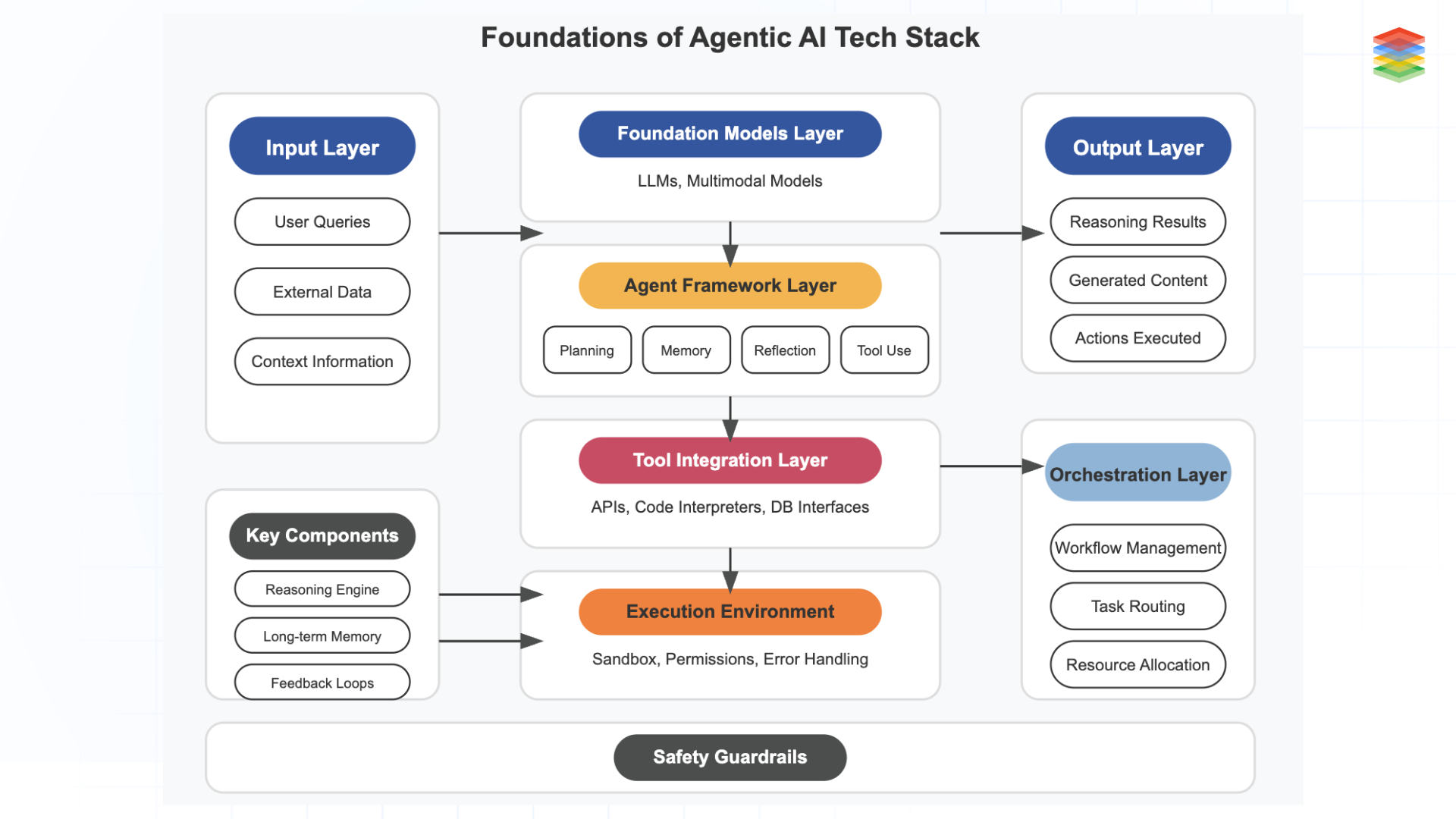
AI agent infrastructure is everything beneath the agent itself — the protocols that let agents talk to tools and each other, the frameworks that orchestrate their steps, the memory and retrieval that ground them, the evaluation that keeps them honest, and the compute that runs it all. The model is the engine; AI agent infrastructure is the rest of the car.
Moving an agent from a demo to production is almost entirely an infrastructure problem. A clever prompt gets you a chatbot; durable tool calls, retrieval over your data, reliable evaluation, and sane cost control get you an agent that survives contact with real users. This hub organizes our deep-dive guides across every layer of that stack.
Use it as a map: skim the section that matches what you are building, then follow the links into the full tutorials, comparisons, and explainers.
Agent protocols & standards
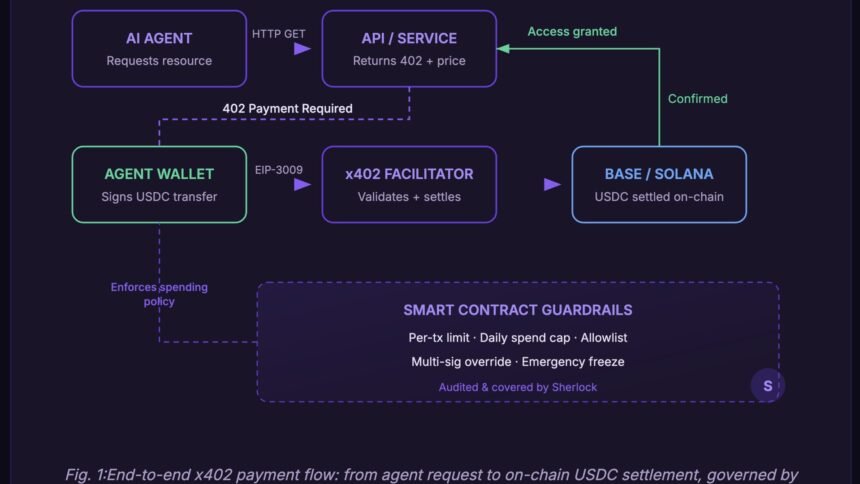
Protocols are how agents connect to tools, data, and each other. These are the standards defining AI agent infrastructure interoperability in 2026.
Frameworks & orchestration
Orchestration frameworks turn a model into a multi-step agent. Compare the options and the patterns for wiring them together.
RAG, memory & retrieval
Retrieval and memory are what ground an agent in your data. This is the grounding layer of AI agent infrastructure.
Evaluation & production reliability
Evaluation and sandboxing are what separate a reliable agent from a plausible one. Here is how to test, sandbox, and harden them.
Foundations: glossaries & getting started
New to the space? Start here for the vocabulary and the first questions every team asks.
The economics & hardware beneath agents
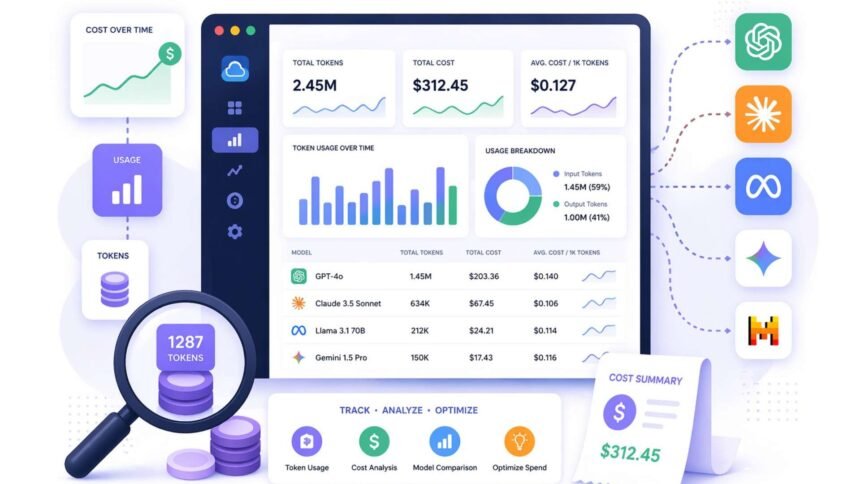
Every agent call costs tokens and runs on silicon. These guides cover the economics and hardware underpinning AI agent infrastructure.
| Guide | Format |
|---|---|
| AI inference economics 2026: the token spread | Guide |
| Synaptics and Google Research revive Coralboard | Guide |
| AI training hardware 2026: five-way comparison | Guide |
More in this guide
Further reading across this topic that rounds out the picture.
Builder’s take
I build Cyntr, an agent orchestration runtime, so AI agent infrastructure is the thing I think about all day. The lesson that keeps repeating: the model is rarely the bottleneck. Retrieval quality, eval discipline, and cost control decide whether an agent ships.
- Pick your protocols and eval harness before your framework — they outlive whichever orchestrator is fashionable this quarter.
- Most ‘the agent is hallucinating’ bugs are retrieval bugs wearing a costume — fix grounding first.
- Budget tokens like a real line item; an unmonitored agent loop is the fastest way to a surprise bill.
Frequently asked questions
It is the stack beneath an AI agent: the protocols (like MCP and A2A), orchestration frameworks, retrieval and memory systems, evaluation harnesses, sandboxing, and the compute and economics that run it all. The model generates; the infrastructure makes it reliable in production.
Retrieval/grounding and evaluation. Most production failures trace to poor retrieval or the absence of a real eval harness, not to the model itself.
Not always. Simple agents can be a few hundred lines of plain code; frameworks earn their weight on complex multi-agent orchestration. See the frameworks section above to compare.
Primary sources
- Model Context Protocol — specification — MCP
- LangGraph documentation — LangChain
- A2A protocol — A2A
Last updated: May 30, 2026. Related: Agent Infrastructure.